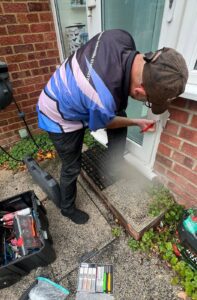
Business locks aren’t like car MOTs. There’s no fixed schedule. But there are real moments when changing them makes sense, and pretending otherwise is daft.

Bugsy and the team see it all the time: a manager leaves, keys go missing, someone’s nicked a set. That’s when the phone rings. But the best time to think about it is before something goes wrong.
The honest triggers for a lock change
Staff turnover. When people leave, they take keys. Even honest ones. You can ask for them back; most people hand them over. Some don’t. If you’ve got no way of knowing how many copies are floating around Southampton or the Waterside, you’ve got a problem. A manager who’s been with you five years, a cleaner who let themselves in out of hours, a delivery driver with access to the stockroom, they all had keys. Changing the locks after key staff leave isn’t paranoia. It’s business sense. You need to know who can get in.
Lost or stolen keys. It happens. Someone loses a bunch of keys in Hythe town centre or down the dock. You don’t know where they’ve gone or who’s found them. Wait and hope, or get the locks changed. There’s only one sensible answer. The cost of a lock change is less than the cost of worrying for months.
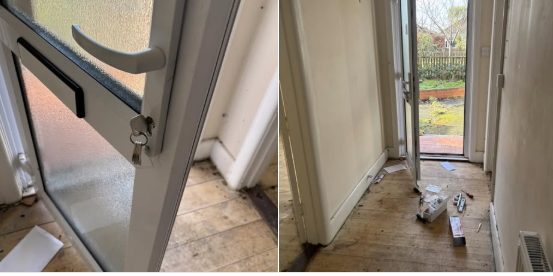
Break-ins or attempted entry. If someone’s had a go at your premises, you need to know whether they’ve compromised the lock. A locksmith can assess that straight up. Tools leave marks. Bumping leaves traces. If there’s doubt, change it. Don’t take the risk.
Expired security. If your business has been in the same building for years and the locks have never been touched, that’s worth a conversation. Locks wear. Keys get worn. Tumblers can become easier to pick or bump. For a busy shop or warehouse in Totton or Marchwood, a refreshed lock cylinder is cheap insurance. Five or ten years in, it’s not a bad idea to refresh.
Tenancy changes. Moving into new premises. Previous tenant’s keys are still out there. Change the lot. You don’t know who they gave copies to. First job in a new space should always be new locks.
What doesn’t need doing every year
Routine lock changes on a schedule aren’t necessary unless your insurance or your industry demands it. Talk to your insurer first. Some trades have standards; most don’t. Don’t pay for work you don’t actually need.
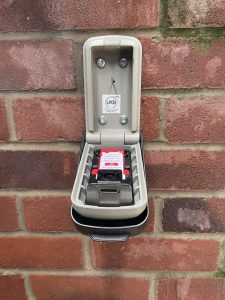
What matters: good record-keeping. Who has keys. How many. Where they are. When they were issued. If you can answer those questions honestly, you’re most of the way there. A simple log stops most problems before they start.
When doubt creeps in, that’s when to ring a commercial locksmith. We do a lot of lock audits for businesses across Southampton and the Waterside. It costs less than you’d think, and it sorts the worry. No drama, straight advice.

Quick questions answered
How often should a business change locks?
There’s no set rule. Change them when staff leave, keys go missing, after a break-in, or when you move premises. If the locks are old and worn, a refresh every five to ten years is sensible. Otherwise, only when there’s a real reason.
Can I just change the cylinders?
Often, yes. If the lock itself is sound and the frame isn’t damaged, we can replace the cylinder and re-key it without touching the rest. That’s cheaper than a full lock replacement. A locksmith will tell you straight what you actually need.
What if I can’t account for all the keys that were issued?
That’s a sign you need to change the locks. If you can’t prove who’s got access, you haven’t got control. Change them, keep better records going forward, and you’re done worrying.
Does my insurance require lock changes on a schedule?
Check your policy. Some insurers have clauses about lock maintenance; most don’t. A quick call to them sorts it. Don’t guess on this one.
Get in touch with Keywise for a commercial locksmith in Southampton. We’ll give you straight advice on what your business actually needs.
More from Keywise: emergency locksmith and free security check.