Quick answer: A side gate left unlocked, tall fencing or hedges that hide the back of the house, a wheelie bin they can climb on, or tools and ladders left in the garden all make a home more tempting. Burglars want cover and a quick, quiet way in, so anything that gives them that raises your risk.
People often think burglars go for the biggest houses or the ones that look like they have the most inside. In my experience, after nearly 20 years working as a locksmith across Southampton and the Waterside, it rarely works like that. Most burglars are not master criminals. They are opportunists. They walk or drive down a quiet street, and they are looking for the easiest house, not the richest one.
I have seen the aftermath of more break-ins than I care to count, and the same patterns come up again and again. A quiet residential road with not many people about is actually a burglar’s favourite kind of place, because there are fewer eyes and more time. So I want to talk you through what actually flags a home as an easy target, and what small changes make a real difference.
What Makes a House Look Like an Easy Target?
The first thing a burglar checks is whether anyone is home and whether anyone will notice them. They are weighing up risk against reward, and it takes them seconds. Here are the things that catch their eye on a quiet street.
Post piling up behind the door, or visible through the glass, tells them nobody has been in for days. Bins left out long after collection day say the same thing. Curtains drawn in the middle of the day, or lights that never change, suggest an empty house. A car missing from a driveway that usually has one on it is another giveaway if they have watched the street even briefly.
Then there is access. Side gates left unlocked let someone slip round the back where nobody can see them. Tall fences and overgrown hedges sound like privacy, but they also mean a burglar can work on your back door completely hidden from the road. A ladder left down the side of the house, tools in an open shed, a wheelie bin under a window, all of these give a helping hand.
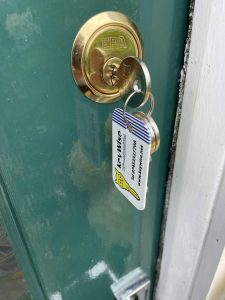
Finally, and this is the big one for me, the locks and doors themselves. An old uPVC door with a cheap cylinder can be snapped in under a minute by someone who knows how. A window left on the latch, or a back door with a worn lock, is an open invitation. Burglars can tell a lot about your locks just by looking, and a tired-looking door tells them you probably have not thought much about security.
Simple Deterrents That Genuinely Work
The good news is that you do not need to spend a fortune or turn your home into a fortress. Most burglars will move on to an easier house the moment yours looks like too much bother. That is the whole game, making your place the harder option on the street.
Start with the basics. Lock everything, including side gates and sheds, every single time. Do not leave keys near the door or in view through the letterbox. Keep tools and ladders put away so nothing can be used against you. If you are going away, ask a neighbour to bring in the post and put the bins out, and use a couple of timer switches so lights come on in the evening.
Lighting matters more than people think. A motion-activated light over the back door or driveway makes anyone lurking feel exposed, and that is exactly what puts them off. A visible alarm box, even a dummy one, adds another layer of doubt. Gravel on a path makes noise underfoot, and thorny plants under low windows are surprisingly effective.
The one I would push hardest, though, is your locks. If you have older uPVC doors, getting an anti-snap cylinder fitted is one of the cheapest and most worthwhile upgrades you can make. It closes off the exact method a lot of local break-ins rely on. Good window locks and a solid deadbolt on the front door round things off nicely.
Why Is a Quiet Street No Safer Than a Busy One?
This one surprises people. You would think a peaceful road with friendly neighbours would be safer, and in some ways the community side helps. But a quiet street also means fewer passers-by during the day, when most burglaries actually happen. If your neighbours are at work and the road is empty from nine to five, a burglar has all the time and privacy they need.
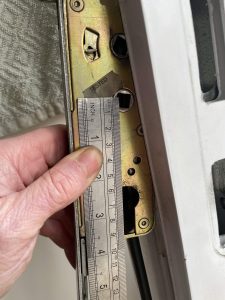
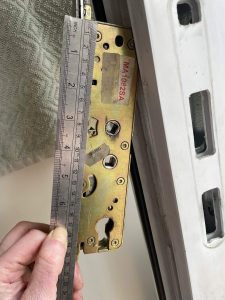
That is why the little signals count for so much. On a quiet street, nobody is going to challenge someone who looks like they belong there. So the job of putting them off falls almost entirely to your home itself. Good locks, good lighting, and a house that looks lived in and cared for do the work that a crowd of people would do elsewhere.
If you are not sure how your home stacks up, I am happy to come and take a proper look. I offer a free home security check across Southampton where I walk round with you and point out the weak spots honestly, with no pressure to buy anything.
I have been doing this across Southampton and the Waterside for almost two decades, there is no call-out fee, and I am available 24 hours if you ever get caught out. A few small changes really can be the difference between a burglar picking your house or walking straight past it.
How Do You Spot a Burglar Casing Your Street Before They Strike?
One thing the signs above miss is that a break-in often starts days earlier, while a burglar quietly sizes up the street. Unfamiliar people loitering, sitting in a parked car for a while, or knocking on doors with a flimsy excuse can all be someone gathering information about who is in and who is out. Watch too for bins that have been rummaged through, and for odd little chalk marks, scratches or stickers left on your wall, bin, gate or the lamppost outside. Some burglars use these as quiet signals to each other about which homes look worth a go. If you notice any of it, wipe the marks away, have a word with your neighbours, and report anything genuinely suspicious to the police on 101.
According to my nearly 20 years working as a locksmith across Southampton and the Waterside, the break-ins I have seen the aftermath of were rarely spur of the moment, and a bit of quiet watching by the burglar usually came first.
Do Burglars Knock on Your Door First to Check if You Are Home?
Yes, and it is one I get asked about a lot. Plenty of the opportunists I have come across over nearly 20 years will knock or ring the bell first, often posing as a delivery driver, a contractor, or someone who has lost their dog. They are not hoping you answer. They are listening for footsteps, a telly, or voices. Silence tells them the house is empty, so they slip round the back to force a door or window. The trick is not to stay quiet and hope they go away. Answer through a video doorbell or call out from an upstairs window so they know someone is in. A knock you cannot place is worth logging, and if in doubt, ring 101.
What Actually Puts a Burglar Off Your Home?
Here is the bit most people forget. Knowing what flags an easy target is only half the job. The other half is understanding what makes a burglar walk straight past. In my experience over nearly 20 years across Southampton and the Waterside, the homes that get skipped are the ones that feel like too much bother. A motion sensor light over the drive kills the cover they need. Gravel underfoot makes noise. A house that is clearly overlooked by neighbours, with no hidden corner to work in, is a nightmare for them. Even a locked side gate that forces them into full view of the road often sends them elsewhere. Burglars want quiet, dark and unseen. Take those three away and most will not bother trying.
Frequently asked questions
Do burglars really target quiet streets?
Yes, more than people expect. A quiet road often means fewer passers-by during the day, which is when most break-ins happen. With neighbours at work and the street empty, a burglar gets the time and privacy they need. That is why good locks and lighting matter so much on peaceful roads.
What is the cheapest security upgrade worth making?
For older uPVC doors, fitting an anti-snap cylinder is one of the cheapest and most worthwhile upgrades. It closes off the exact snapping method a lot of local break-ins rely on. Pair it with decent window locks and a solid front door deadbolt and you have covered the basics properly.
Does leaving lights or a car change anything?
It genuinely helps. A missing car from a usually occupied driveway, curtains shut all day, or lights that never change all suggest an empty house. Timer switches on a couple of lamps and asking a neighbour to move the car or bins make your home look lived in and far less appealing.
Do you charge to check my home security?
No. I offer a free home security check across Southampton and the Waterside, where I walk round with you and point out the weak spots honestly, with no pressure to buy. With nearly 20 years locally, no call-out fee, and 24 hour availability, you can always reach me if you get caught out.