Quick answer: Layer your defences so no single point does all the work. A well fitted roller shutter with a closed-shackle padlock and proper shutter locks buys you time and noise, but back it up with a solid door lock behind it. Lock up the same way every night, and if you are unsure whether yours is up to scratch, get it checked.
If you run a small shop anywhere along the Waterside, from Hythe to Fawley, you will know that the hours after you lock up are the ones that keep you awake. I have spent nearly 20 years working with retailers around Southampton and the SO45 area, and the same worry comes up again and again. It is not so much what happens while you are open, it is what happens in the quiet hours when the street is empty and your shop is sitting there in the dark.
The good news is that securing a shop front overnight is not about spending a fortune. It is about getting a few sensible things right and doing them the same way every single night. I want to walk you through what actually works, based on the jobs I get called out to and the ones I never do because the owner had things sorted properly.
Start with the shutters, but do not stop there
A roller shutter is the first thing most people think of, and rightly so. A solid shutter turns a smash-and-grab into a job that takes noise, time and effort, and most opportunists will not bother. But I see two common mistakes. The first is a shutter that is fitted well but locked badly. A good shutter with a cheap padlock at the bottom is only as strong as that padlock, so it pays to have proper shutter locks fitted and to use a closed-shackle padlock that cannot be cut easily.

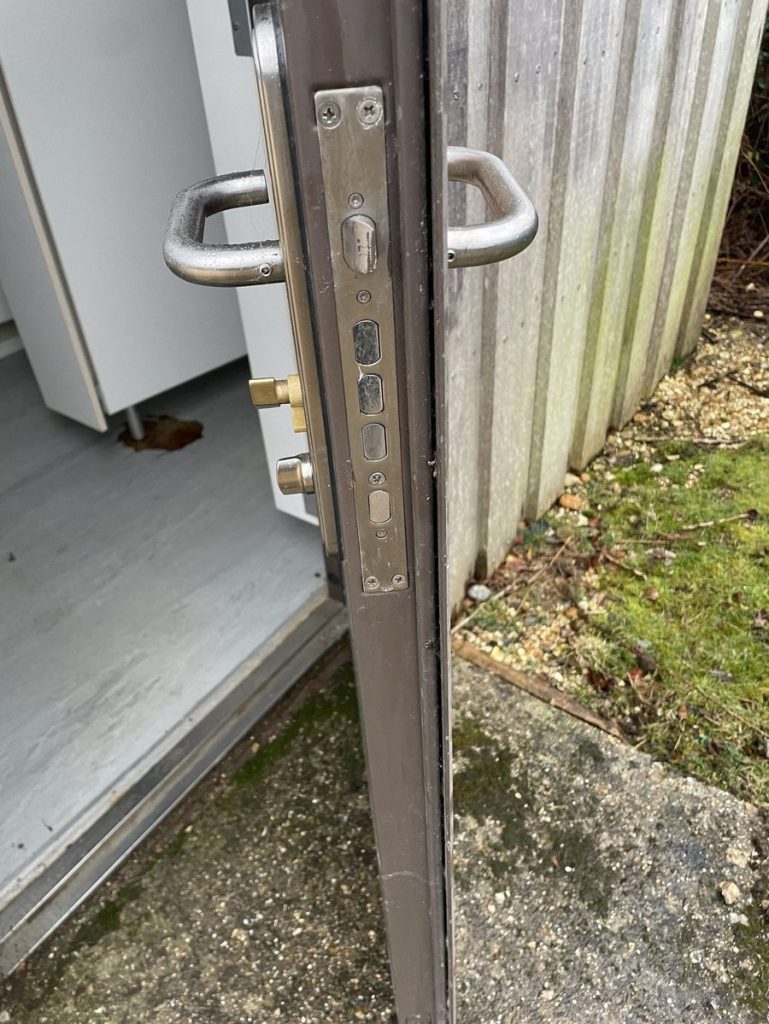
The second mistake is treating the shutter as the only line of defence. Shutters can be forced, and if someone gets past yours you want the door and glass behind it to still do their job. That means a decent mortice deadlock on the main door, ideally to British Standard, working alongside whatever your shutter gives you. Layers are what put people off. One barrier they might have a go at. Three barriers and they move on to an easier target down the road.
What is the single biggest weakness on most shop fronts?
In my experience it is the routine, not the hardware. I turn up to plenty of shops with good locks that were simply not thrown properly at closing time. A deadlock that is only on the latch is barely locked at all. When you are tired at the end of a long day it is easy to pull the door shut and assume the click means you are secure, when really you have just left it on a spring latch that a card can slip.
So my advice is to build a closing-up routine and stick to it every night. Check the shutter is fully down and locked. Throw the deadlock and give the door a firm pull to confirm it is home. Check the back door and any side or delivery access, because that is where a lot of break-ins actually happen, out of sight of the street. Make sure the till is empty and left open so nobody smashes their way in for what turns out to be nothing. And if you have a safe, that it is properly shut. Two minutes of habit saves a world of grief.
Lighting, sightlines and honest deterrence
Deterrence is mostly about making your shop look like more trouble than it is worth. Good lighting over the front and any rear access matters more than people realise. A dark doorway is an invitation, a well-lit one is a spotlight. Keep the front window clear enough that anyone inside can be seen from the street, because thieves do not like being visible.
Signage helps too. A sticker saying the premises are alarmed and that no cash is left overnight does genuine work, as long as it is true. An empty threat is worse than none, so back it up. A monitored alarm and a couple of cameras, even a modest setup, change the whole picture for someone weighing up whether to try their luck. They want quick and quiet, and cameras give them neither.
If you are not sure where your weak points are, it is worth having someone look at the place properly. I offer a no-obligation security check and the same thinking applies to shops as it does to homes. A fresh pair of eyes will often spot the obvious thing you have stopped noticing, like a side gate that never quite locks or a window catch that has worked loose over the years.
When something does go wrong
Even with everything done right, locks fail, keys snap and doors get damaged. That is simply the nature of things, and it never happens at a convenient hour. I run Keywise as a 24 hour service across Southampton and the Waterside, and there is no call-out fee, so if you are locked out of your own shop at six in the morning or dealing with a forced door at midnight, you can ring me without worrying about being stung just for me turning up.
Securing a shop front is not complicated. It is shutters, good locks, a steady routine and a bit of honest deterrence. Get those working together and you will sleep a good deal easier.
What about an alarm, does that make a difference overnight?
Locks and shutters buy you time, but an alarm decides what happens with that time. A monitored alarm connects to a centre that can verify a break-in and get police or a keyholder moving while it is happening, not the morning after. Even a plain audible bell puts most opportunists off, because noise is the last thing they want. Pair it with a bit of lighting over the door and shopfront so there are no dark corners to work in unseen. Think of it this way: your shutters and deadlock slow someone down, and the alarm makes sure that delay actually costs them. Test it every week so you know it arms properly at closing.
According to nearly 20 years of jobs across Southampton and the Waterside, the shops that came off best paired good locks with an alarm that actually got noticed, and I never charge a call-out fee to check yours, 24 hours a day.
What about lighting, an alarm and CCTV once the shutter is down?
Here is the bit I see missed most often. All that locking hardware slows an intruder down, but it does nothing to make them think twice before they start. Lighting and a bit of noise do exactly that. A shop front left in pitch dark is an invitation, because dark corners are where people work unseen. A motion light over the door or a bright shop sign left on removes that cover. Back it with an audible alarm and a visible camera, and you have gone from one deterrent to several. In nearly 20 years around the Waterside, the shops that get left alone are the ones that look watched, lit and loud, not just locked. That is layers working before anyone even touches your door.
Frequently asked questions
Is a roller shutter enough to secure my shop overnight?
A shutter is a great first line, but do not rely on it alone. Fit proper shutter locks with a closed-shackle padlock, and keep a good British Standard mortice deadlock on the door behind it. Layers put people off, so three barriers beat one every time on the Waterside.
What is the most common shop front weakness you see?
Honestly, it is the closing-up routine, not the hardware. Plenty of shops have good locks that were never thrown properly at the end of a tired day. A deadlock left on the latch is barely locked. Build a nightly habit and check the door is truly home.
Do alarm and camera stickers actually help?
Yes, as long as they are true. A sign saying the premises are alarmed and no cash is left overnight does real work. An empty threat is worse than none, so back it up with a monitored alarm and a couple of cameras. Thieves want quick and quiet.
What if I am locked out or my shop door is forced overnight?
That is exactly what I am here for. I run Keywise as a 24 hour service across Southampton and the Waterside, with nearly 20 years behind me and no call-out fee. Ring me at six in the morning or midnight without worrying about being charged just for me turning up.