Most landlords find out the hard way that their buildings insurance won’t pay out after a break-in. The reason is nearly always something simple and avoidable: the locks weren’t up to standard when the loss happened. I see it more often than you’d think, and by then it’s too late to do anything about it.
Insurance companies aren’t being awkward for the sake of it. They’re protecting themselves against claims that could have been prevented with a bit of common sense and the right hardware. The standards they set aren’t unreasonable either. But you do need to know what they are, and just as importantly, you need to keep records to prove you’ve met them. A claim handler won’t take your word for it.
What Your Insurer Actually Wants
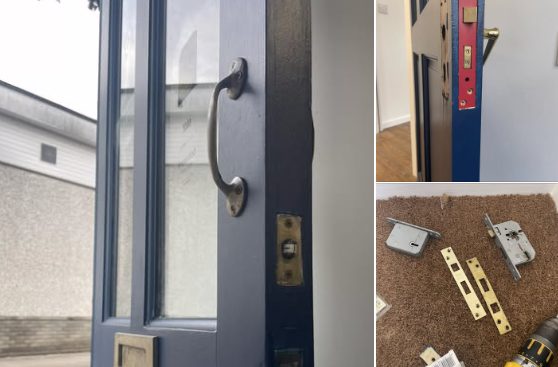
Most domestic and commercial policies require that external doors have locks meeting British Standard BS3621. In plain terms that means a deadlock or mortice lock, fitted into the door itself and turning into the frame, not just a handle or latch. A Yale-style nightlatch on its own won’t tick the box. Plenty of policies also want key-operated locks on ground-floor and accessible windows, and for commercial premises they’ll often expect an alarm or a monitored system on top.
Here’s the catch. If you’ve never had those locks fitted, or a tenant has fiddled with them, or they’re broken and you’ve left them that way, the insurer can turn your claim down flat. “I didn’t know” carries no weight whatsoever. The duty sits with you as the landlord, not with the tenant who walked off with the broken handle.
For commercial properties on the Waterside or across Southampton, the bar is higher still. Insurers want evidence that you’ve had a professional survey done, that you’ve fitted appropriate locks and hinges, and that you’re keeping the place secure to an agreed standard. Some will want CCTV footage or alarm logs as part of the bargain.
The good news, and there is some, is that once you’ve done the work your premiums often come down. Insurers reward proper security because it means fewer claims for them. So it can pay for itself over time.
What You Need to Do
Start by actually reading your policy. It will spell out exactly what it requires, usually in the section on security conditions. Then get a locksmith to survey the building. Not a mate with a ladder and good intentions, but someone who understands security and can put it in writing. That paperwork is worth its weight in gold. It proves you’ve done your due diligence, and it’s the first thing your insurer will ask for if you ever need to claim.

Have any broken locks sorted straight away rather than leaving them on the to-do list. For rental properties, write it into the tenancy agreement that locks can’t be changed or disabled without your say-so. And keep your records tidy: copies of invoices, dates of work, and a few photos if you’ve had anything major done.
If you’re letting a commercial space in Southampton or the surrounding area, have a chat with your locksmith about master key systems or access control. It sounds like overkill right up until you’ve had a break-in and your insurer asks you how many people had a key to the place.
We can help with all of this. A proper commercial locksmith survey takes an afternoon and leaves you with the paperwork you need. Give us a ring and we’ll tell you what your building actually needs, not what we’d like to sell you.
More from Keywise: emergency locksmith and free security check.
Frequently asked questions
What is BS3621 and why does it matter?
BS3621 is the British Standard for a key-operated lock that meets insurance requirements. It covers deadlocks and mortice locks that resist forcing and drilling to an agreed level. Most insurers name it directly in their policy, so if your external doors don’t have a BS3621 lock fitted, a claim after a break-in could be refused. It’s the benchmark worth checking against.
Who is responsible for the locks, me or my tenant?
As the landlord the duty almost always sits with you. You’re the one named on the buildings insurance and you’re the one who has to meet its conditions. A tenant might disable or damage a lock, which is why it’s sensible to write into the tenancy agreement that locks can’t be altered without your permission. But if a claim falls through, it’s your problem to deal with.
Will fitting proper locks lower my insurance premium?
Often, yes. Insurers price on risk, so a property that’s secured to the standard they want is cheaper to cover. I can’t promise a figure because every policy is different, but better security usually works in your favour at renewal. Keep the invoices and the survey paperwork to show what you’ve had done.
How long does a commercial locksmith survey take?
For most premises it’s an afternoon’s work. I walk the building, check the doors, windows, hinges and any existing access control, then write up what’s there and what’s needed. You come away with a clear report you can hand to your insurer. Give us a ring and we’ll book a time that suits.
Frequently asked questions
Do my window locks need to meet a standard too?
Many policies do ask for key-operated locks on ground-floor and easily accessible windows, not just the doors. Check your security conditions, because leaving a window unsecured can be enough to sink a claim. If you’re not sure what’s fitted, that’s exactly the sort of thing a survey will pick up.
What happens if a tenant loses their keys?
You’ll want the locks changed promptly so a lost key can’t be used to get in, and that’s usually treated as a landlord responsibility. Keep a record of when the work was done and who holds keys afterwards. We cover Southampton and the Waterside and can usually turn a lock change around the same day.
Do I need a different standard of lock for a uPVC door?
uPVC and composite doors typically use a multipoint locking mechanism with a cylinder rather than a traditional mortice lock, so the insurance wording is met differently. The cylinder still needs to be a proper anti-snap type to count, as standard cylinders are a common weak point. We can check what’s fitted and upgrade the cylinder without replacing the whole door.
What records should I keep to protect a future claim?
Hold onto your locksmith invoices, the date any work was carried out, the written survey report, and a few photos of major work. Keep a note of how many keys exist and who has them, especially for commercial premises. If you ever need to claim, that paperwork is the first thing the insurer will ask to see.