Quick answer: Rekeying alters your existing lock so the lost key no longer works, keeping the lock body in place. Replacing swaps the whole unit for a new one. Rekeying is usually cheaper if your lock is in good order, while replacing suits worn or outdated locks. There is no call-out fee.
Losing your only house key is one of those moments that makes your stomach drop. One minute you are patting your pockets, the next you are standing on the doorstep wondering how on earth you are getting inside. I have been called out to this exact situation more times than I can count over the years working across Southampton and the Waterside, and I promise you it is more common than you would think.
The good news is that being locked out is fixable, and it does not always mean spending a fortune. But once you are back inside, there is a second question worth thinking about: what do you do about the lock now that your only key is out there somewhere? In this post I want to walk you through the choice between rekeying and replacing, what each one tends to cost, and how to think about your security after losing keys.
Should you rekey or replace the lock?
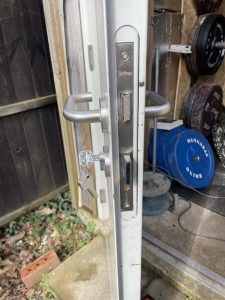
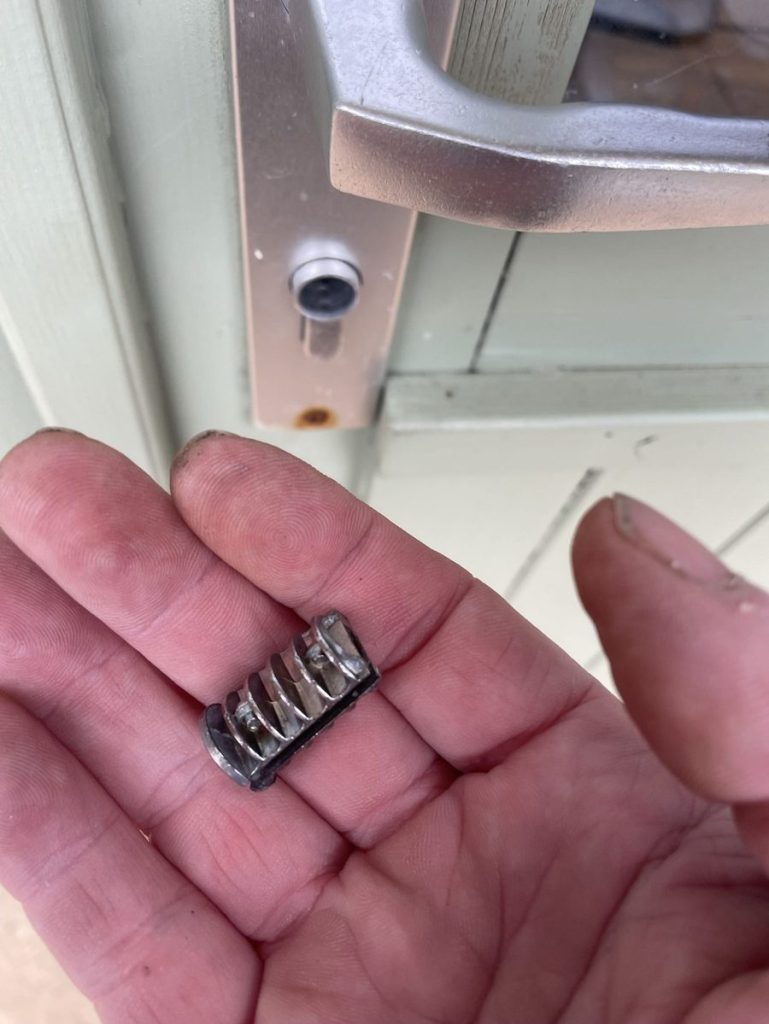
These two words get thrown around a lot, so let me explain the difference in plain terms. Rekeying means changing the internal workings of your existing lock so that your old key no longer opens it, and a fresh set of keys does instead. The lock body stays where it is, and I just alter the mechanism inside. Replacing means taking out the old lock entirely and fitting a brand new one.
For a lot of older cylinder locks and mortice locks, rekeying is possible and can save you a bit of money. It is a sensible option if your lock is still in good working order and you simply want to make the lost key useless. If the lock is stiff, worn, or an older design that no longer meets modern standards, then replacing is usually the better call. There is little point spending money keeping an aging lock going when a new one gives you better security and peace of mind.

Most modern doors in Southampton use euro cylinder locks, and with these I often recommend a straight swap of the cylinder. It is quick, it is affordable, and it lets me fit something with proper anti-snap protection at the same time. So the honest answer to rekey or replace is: it depends on what you have got, and I will always tell you which makes more sense for your situation rather than pushing you toward the pricier option.
What does it actually cost?
I understand that when this happens the cost is the first thing on your mind, so let me be straight with you. There are really two parts. The first is getting you back into your home, and the second is sorting the lock afterwards.
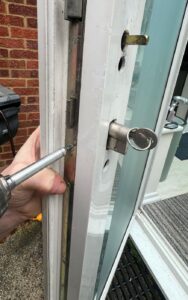
Getting you in is usually a matter of a lockout entry, and where possible I open the door without any damage at all, which keeps things cheaper. Once you are inside, rekeying an existing lock tends to cost less than a full replacement because I am reusing the lock body. A new euro cylinder or a new mortice lock adds the price of the parts on top of the labour, and that varies depending on the quality of lock you choose.
What I will say clearly is that I never charge a call-out fee, and I am available 24 hours a day. So you are not paying just for me to turn up, and you are not paying a premium because it happens to be the middle of the night. You pay for the work and the parts, and I will give you a clear idea of the cost before I start anything. No surprises, no pressure.
How worried should you be about security after losing keys?
This is the part people often overlook once the panic of being locked out has passed. If you have genuinely lost your only key, you have to assume, at least for a moment, that it could be found by someone. Most of the time a dropped key is harmless, but if it was lost along with anything showing your address, that is a real risk worth taking seriously.
Even without an address attached, I would rather my customers were safe than sorry. Making that old key useless, whether by rekeying or fitting a new lock, is the only way to be certain nobody else can walk into your home. It is a small cost for a lot of reassurance, and I have never had anyone regret sorting it out.

It is also worth checking what your home insurance expects of you. Many policies have specific requirements around lock standards, and losing keys can be a good moment to make sure your locks are up to scratch. I have written more about that in my guide to British Standard lock changes in Southampton, which is worth a read if you want to be sure you are properly covered.
What to do right now
If you are reading this while stood outside your own front door, the first thing is not to panic and definitely not to start forcing a window. That usually causes more damage and cost than the lockout itself. Give me a ring and I will come out, get you back inside as gently as I can, and talk you through whether a rekey or a new lock is the better move for you.
Losing your only key feels like a disaster in the moment, but it really is a straightforward fix. A bit of honest advice and the right work done properly, and you will be back to normal in no time.
Will your home insurance cover the cost of changing the locks?
One thing worth checking before you pay for anything is your home insurance. Plenty of UK contents policies include some cover for lock replacement after keys are lost or stolen, though it does not always come as standard and there are often claim limits, so it pays to read your policy or ring your provider first. A word of warning from experience: do not be tempted to fit a lock yourself to save a few pounds. An improperly installed lock could invalidate your insurance if you later need to claim for a break-in. Using a proper locksmith keeps your cover valid and your door secure, which matters far more than the small saving.
From what I have seen over the years working in Southampton and the Waterside, folk who ring their insurer before booking me are often pleasantly surprised at what their policy covers.
Will your home insurance cover you if someone uses your lost key?
Here is something a lot of folk do not think about in the panic of losing keys, and it is worth knowing. Most home insurance policies will only pay out on a burglary claim if there are signs of forced entry. If a burglar simply lets themselves in with your lost key, there is no broken window or damaged door, so your insurer may turn the claim down. That is exactly why sorting the lock quickly matters, not just for peace of mind but to keep your cover valid. A few policies do cover lost keys or locksmith call-outs, so dig out your paperwork and check before you assume anything. If you are ever in doubt, give me a ring and I will talk you through it. There is no call-out fee.
Frequently asked questions
What is the difference between rekeying and replacing a lock?
Rekeying changes the internal workings of your existing lock so the old key no longer opens it and a fresh set does. Replacing removes the old lock entirely and fits a brand new one. Rekeying reuses the lock body, so it often saves you a little money when the lock is sound.
Should I rekey or replace after losing my only key?
It depends on what you have got. If your lock works well, rekeying makes the lost key useless and saves money. If it is stiff, worn, or an older design, replacing gives better security. Most modern Southampton doors use euro cylinders, where I often suggest a straight swap of the cylinder.
Do you charge a call-out fee for lockouts?
No, I never charge a call-out fee, and I am available 24 hours a day. You are not paying just for me to turn up, and you are not paying a premium in the middle of the night. You pay for the work and parts, with a clear idea of the cost before I start anything.
How worried should I be about security after losing keys?
If you have lost your only key, assume it could be found by someone, especially if anything showing your address went with it. Making that old key useless, by rekeying or fitting a new lock, is the only way to be certain nobody else can walk into your home. It is small reassurance worth having.