Quick answer: Lock snapping takes around 30 seconds and leaves little visible damage, which is why so many people don’t notice until the door won’t lock. The fix is an anti-snap cylinder to a decent standard, ideally TS007 3-star. Bugsy fits these across Southampton and the Waterside, with no call-out fee, 24 hours.
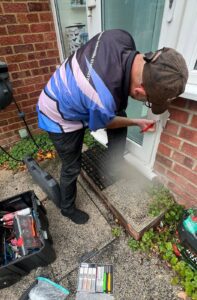
A locksmith turned up to a house in Totton last month and found something that still winds Bugsy up: a front door with a cylinder lock snapped clean in half. The owner hadn’t noticed anything wrong until the door wouldn’t lock properly. That’s how fast it can happen.
Lock snapping is a genuine attack. It works on certain locks, takes maybe 30 seconds if someone knows what they’re doing, and leaves almost no visible damage. Not a kick-in. Not a smash. Just a door that stops being secure.
How the snap actually works
The cylinder of a standard pin tumbler lock has a weak spot. Apply upward pressure and a sharp sideways blow at the right point, and the cylinder snaps. The bit that rotates inside breaks off. Once that’s gone, the locking mechanism is compromised. Sometimes the lock turns freely after. Sometimes it jams but won’t lock. Either way, you’ve lost security in seconds.

It’s not complicated. It doesn’t require tools. It doesn’t require skill beyond understanding where to hit. That’s why it matters. A burglar doesn’t need to be a professional; they just need to know about this one weak spot.
Modern multi-point locks are tougher. Anti-snap cylinders are harder to break. They have reinforcement built in. Insurance companies know this. Some of them won’t pay out on a straightforward snapping attack if your lock isn’t rated. That alone should matter to anyone in Southampton, Hythe, Eastleigh or anywhere on the Waterside.
Older properties and rental stock often still have basic locks. They’re cheap to fit. They’re not cheap to ignore.
What actually stops it
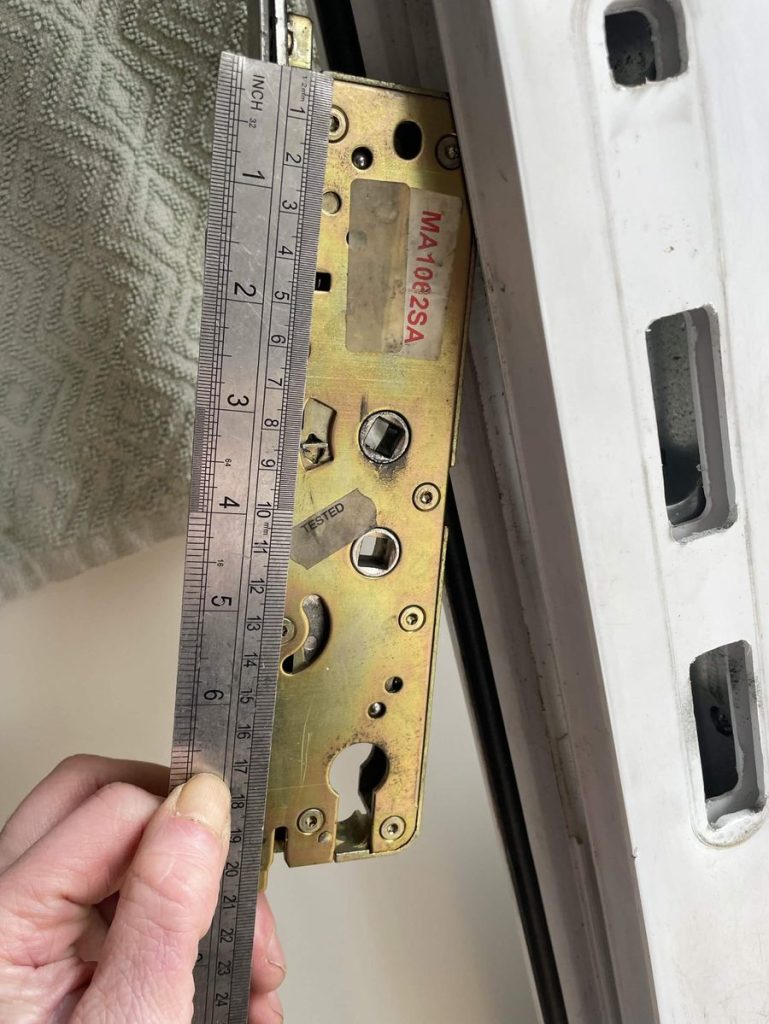
British Standard BS 3621 locks have reinforcement. They’re harder to snap. A good locksmith will fit one that’s tested and proven. Some have a secondary barrier. Some have a guard that makes the vulnerable part harder to reach. The cost difference between a basic lock and a rated one is small. The difference in security is substantial.
You can also fit a rim lock or a mortice lock alongside the cylinder lock. Double protection isn’t overkill; it’s straightforward sense if you’ve been burgled or if you live somewhere with regular break-ins. Two locks mean an attacker needs two different methods. That raises the time and effort needed. Most burglars move on to easier targets.
Bugsy recommends checking what’s actually on your door right now. If it’s a basic cylinder lock with nothing behind it, have a proper look. If you’re not sure, ring us. We can tell you straight whether it’s a risk, and what would actually help.
Lock snapping happens. It’s not paranoia to plan for it.
Your questions answered
Can all cylinder locks be snapped in 30 seconds?
No. Older standard locks are more vulnerable. Modern anti-snap cylinders and British Standard BS 3621 locks are significantly harder to snap. The difference is real and measurable.
Will my insurance cover a break-in through lock snapping?
That depends on your policy and your lock. Some insurers won’t pay out if you don’t have a rated lock fitted. Check your policy. It’s worth a conversation with your provider before there’s a problem.
What’s the cheapest way to protect against lock snapping?
Fit a BS 3621 anti-snap cylinder. It costs less than most people expect and does the job. If you want stronger protection, add a rim lock or mortice lock as a second barrier.
How do I know if my lock has been tampered with?
Sometimes you don’t. The snapped part can be pulled out and the door may still look fine from outside. If your lock feels loose, turns too freely, or won’t catch properly, have it checked. If you’re worried, a quick call to a locksmith will give you a straight answer.
More from Keywise: anti-snap cylinder upgrade and insurance lock changes.
Is your cylinder sticking out past the handle, and why does that matter?
Here’s the bit most people miss. A cylinder that sticks out past the handle gives an attacker something to grip, and that overhang is often what turns a lock into an easy target. Guidance says the cylinder shouldn’t protrude more than about 3mm from the handle and should ideally sit flush with the door. You can check it yourself: stand side-on to the door and look at whether the barrel pokes out beyond the handle furniture. If it does, even a rated cylinder is easier to attack. Getting the length right matters as much as the star rating. A cylinder that’s too long is a weak spot before anyone’s even touched it.
From Bugsy’s years fitting locks across Southampton and the Waterside, a cylinder left sticking out past the handle is one of the most common weak spots he finds on doors.
How can you tell if you’ve already got an anti-snap cylinder?
Most guides cover this and this post skips it, so here’s the quick check. Look at your cylinder from outside. A rated one carries the BSI Kitemark, a little kite-shaped stamp, or three stars marked on the face. Some show a thin line part-way along where the sacrificial section is designed to break away safely. No kite, no stars, same colour all the way along, and it’s a standard cylinder that can be snapped. One more thing Bugsy checks on every job: whether the cylinder sticks out past the handle. Anything poking proud gives an attacker something to grip, so it wants sorting. Not sure what you’ve got? Bugsy will take a look, no call-out fee, 24 hours.
Frequently asked questions
Can all cylinder locks be snapped in 30 seconds?
No. Older standard cylinders are the vulnerable ones. Modern anti-snap cylinders and British Standard BS 3621 locks are significantly harder to snap thanks to built-in reinforcement. The difference is real and measurable. Bugsy has seen both over the years working in Southampton and the Waterside, and it genuinely matters.
Will my insurance cover a break-in through lock snapping?
That depends on your policy and your lock. Some insurers won’t pay out if you don’t have a rated lock fitted. Check your policy wording and have a quick conversation with your provider before there’s ever a problem. It’s a small effort that could save real hassle later on.
What’s the cheapest way to protect against lock snapping?
Fit a BS 3621 anti-snap cylinder. It costs less than most people expect and genuinely does the job. If you want stronger protection, add a rim lock or mortice lock as a second barrier. Two locks mean an attacker needs two different methods, so most move on.
How do I know if my lock has been tampered with?
Sometimes you don’t. The snapped part can be pulled out and the door may still look fine from outside. If your lock feels loose, turns too freely, or won’t catch properly, have it checked. Ring us any time, day or night. No call-out fee, straight answer.