Quick answer: Most policies require your final exit doors to have locks meeting British Standard BS3621, usually a five lever mortice deadlock or a tested euro cylinder. If your policy names that standard and your locks fall short, an insurer can question a break-in claim through that door. Check your documents and look for the BS3621 kitemark on your locks.
I get called out to all sorts across Southampton and the Waterside, and one thing that comes up more often than you might think is home insurance. Not because folk enjoy reading their policy documents, but because something has gone wrong and they are suddenly staring at a paragraph they never noticed before. Usually it is after a break-in, which is about the worst time to find out your locks were never up to scratch in the first place.
Fitting and repairing locks around here, I have seen the same story play out again and again. Someone assumes their front door is fine because it locks and feels solid. Then a claim gets questioned, or worse, refused, because of a clause tucked away in the small print. So I wanted to walk you through what that clause actually says, how it catches people out, and how to sort it before it ever becomes a problem.
What does the lock clause actually say?
Most home insurance policies in the UK have a section covering security, and buried in there you will usually find a line about your locks meeting a particular British Standard. The one that comes up most is BS3621. It refers to a five lever mortice deadlock or a certain grade of euro cylinder lock that has been tested to resist common break-in methods like drilling, picking and bumping.

The wording is rarely dramatic. It might say something like “all final exit doors must be fitted with a lock conforming to BS3621” or mention “key operated multi-point locking systems”. It reads as background noise when everything is fine. But that sentence is a condition of your cover, not a suggestion. If your locks do not match what the policy asks for, the insurer has grounds to push back when you claim.
The tricky part is that plenty of doors look perfectly secure without actually meeting the standard. A Yale style night latch on its own, for example, feels reassuring because it clicks shut behind you. On its own it often does not satisfy the clause, because it does not require a key from the outside and can be slipped or manipulated. Loads of homes across the Waterside have exactly that setup and the owners have no idea it might be an issue.
How the clause bites after a break-in
Here is where it gets painful. Say someone forces your door while you are out. You come home, you are shaken, and you do the sensible thing and start a claim. The loss adjuster comes round to assess the damage and the stolen items. Part of that visit is checking whether your home met the security terms of the policy.

If they find the locks did not conform to the standard listed in your documents, they can reduce the payout or decline the claim entirely. It does not always matter whether the dodgy lock was the one the burglar used. The insurer’s position is that you agreed to a condition and did not keep to it. That is a horrible conversation to have when you have just lost your belongings and your sense of safety in your own home.
I have been in kitchens with people going through their paperwork, realising the door they thought was strong was never compliant. It is avoidable, and that is the frustrating bit. A short job done in advance would have saved them the whole ordeal. If you want the detail on getting your doors up to the right standard, I have written more about BS3621 lock changes in Southampton that is worth a read.
How do I get compliant without the drama?
The good news is that becoming compliant is usually straightforward and not expensive. The first step is to actually read your policy. Find the security section and note down any lock standard it mentions, most likely BS3621. Then have a proper look at your doors, especially the ones you use to get in and out.
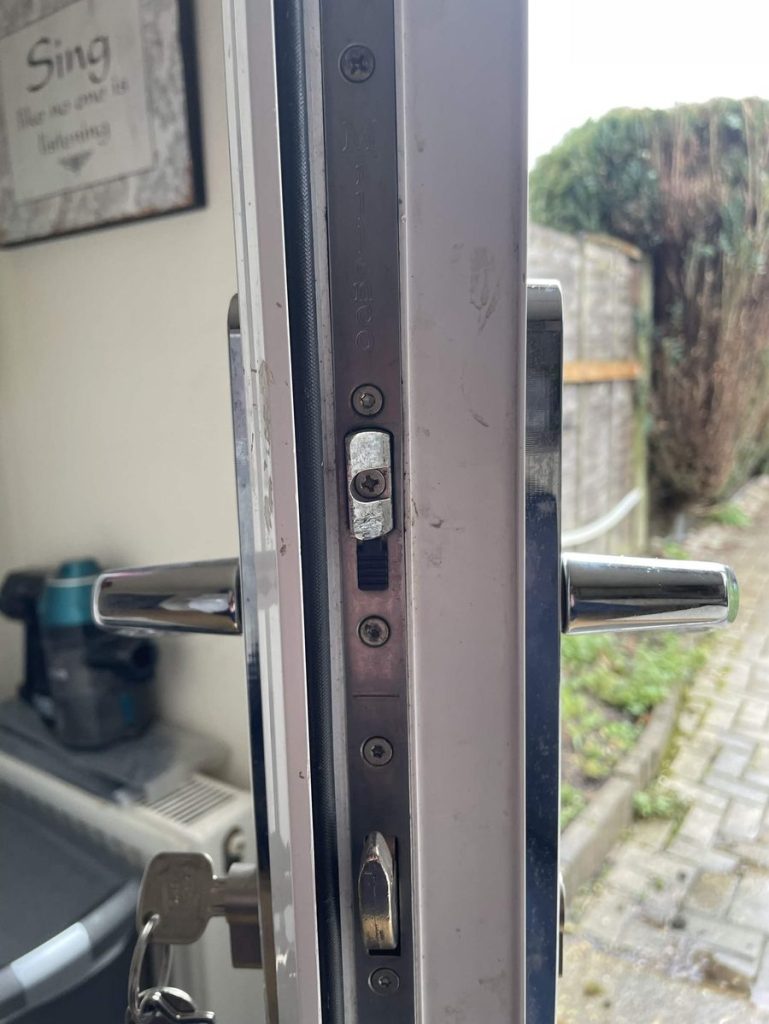
On a timber door you are looking for a five lever mortice deadlock. Genuine BS3621 locks carry a British Standard kitemark, a little symbol stamped on the faceplate or the body of the lock. If you cannot see one, it may well not be compliant even if it has five levers. On a uPVC or composite door it comes down to the cylinder and the multi-point mechanism, and there are anti-snap cylinders that meet the mark.
If you are not sure what you are looking at, that is completely normal, and it is exactly the kind of thing I can check for you. I will tell you honestly whether your locks already pass or whether they need swapping. If they need doing, I fit the right kitemarked hardware so your paperwork and your doors line up.
There is no call-out fee with me and I am available 24 hours, so if you have just had a scare and want things sorted quickly, you are not waiting around. Getting this right is one of the cheapest bits of peace of mind you can buy. It protects your home, and it makes sure that if the worst ever happens, your insurer has no wriggle room to leave you out of pocket.
What about uPVC and composite doors, do they need something different?
Here is where a lot of folk trip up. BS3621 is really about timber doors with a mortice lock. If you have got a uPVC or composite door with a multi-point locking system, the standard your insurer wants is usually different again. For these you are looking at a euro cylinder that meets TS007 3 star, tested for anti-snap performance, or a 1 star cylinder paired with 2 star door furniture. Loads of newer homes across Southampton and the Waterside have exactly these doors, and the owners assume the multi-point strip alone ticks the box. It often does not without the right rated cylinder. So check which standard applies to your door type before you assume you are covered.
From what I see around Southampton and the Waterside, plenty of uPVC and composite doors get overlooked because people assume the multi-point lock is enough on its own.
What if my locks are fine but I forgot to lock them?
Here is the bit folk miss. Having the right locks fitted is only half the job. Most policies also make it a condition that those locks are actually engaged when you leave the house. If an insurer finds no sign of forced entry, they can reasonably ask how the burglar got in, and a claim can be knocked back on that alone. Windows count too. If you have told your insurer you have key operated window locks, you are expected to use them on accessible windows. Around Southampton and the Waterside I have met plenty of people with perfectly good locks who simply got into the habit of pulling the door to rather than turning the key. Do not let a good lock go to waste.
I have gone through the whole thing in more detail, including what the law does and does not let an insurer do, in my locks and home insurance guide. Read that alongside your policy and you will know exactly where you stand.
Frequently asked questions
What lock standard does my home insurance ask for?
Most UK policies mention BS3621 in the security section. This covers a five lever mortice deadlock or a graded euro cylinder tested against drilling, picking and bumping. The wording is easy to miss, but it is a condition of your cover rather than a suggestion, so check your paperwork carefully.
Can my claim really be refused over my locks?
In the right circumstances, yes. If your policy names a standard, you said you met it, and a burglar came through a door that did not, the insurer can reduce or decline the payout. It does not always matter which lock the burglar used. You agreed to a condition, so getting compliant beforehand protects you.
How do I know if my locks are compliant?
Look for a British Standard kitemark stamped on the faceplate or body of the lock. On timber doors you want a five lever mortice deadlock. On uPVC or composite doors it comes down to an anti-snap cylinder and the multi-point mechanism. No kitemark usually means not compliant, even with five levers.
What does it cost to get my locks sorted?
Becoming compliant is usually straightforward and not expensive. I will honestly check whether your locks already pass or need swapping, then fit the right kitemarked hardware. There is no call-out fee and I am available 24 hours across Southampton and the Waterside, so a recent scare need not mean waiting around.