The short answer
Lock snapping takes seconds on a cheap euro cylinder. The fix is a TS 007 3-star anti-snap cylinder, swapped in a matter of minutes with no new door needed.
- The fix
- A TS007 3-star or Sold Secure Diamond anti-snap cylinder
- Time
- Minutes, with no new door needed
I have been fitting and changing locks around Southampton and the Waterside for years now, and if there is one thing I get asked about more than anything else these days, it is lock snapping. Folk have read a bit about it online, or a neighbour has had a break-in, and they want to know if their front door is safe. It is a fair question, and I would rather give you the honest answer than try to scare you into anything.
So let me explain what lock snapping actually is, why it can be so quick, and the simple fix that puts a stop to it. No drama, just the facts as I see them after all these years on the tools.
What is lock snapping and why is it so quick?
Most uPVC and composite doors, which is the majority of doors in this part of the world, use something called a euro cylinder. That is the little barrel your key goes into. It sits inside the door and connects to the multi-point locking mechanism. It is a clever bit of kit and does its job well, but older cylinders have a weak spot.
The trouble is that a standard cheap cylinder has a natural line of weakness across the middle, where the fixing screw sits. If someone grips the part that sticks out past the handle and applies force, the cylinder can snap in two along that line. Once it snaps, the workings are exposed and the lock can be turned in seconds. No fancy tools needed, no picking skills, just brute force and a bit of know-how.

That is what makes it worrying to people. It really can be over in under a minute, and it is quiet. There is no smashed glass, no loud banging. That is why it became such a popular method for a while. The good news is that the fix is just as straightforward as the attack.
The three-star fix explained simply
The answer is an anti-snap cylinder, and specifically one that carries a proper rating. In this country we use the TS007 star rating and the Sold Secure Diamond standard. When you see a cylinder described as three-star, that means it has been independently tested to resist snapping, drilling, bumping and picking all on its own.
What makes an anti-snap cylinder different is clever engineering. It has sacrificial sections at the ends that break away if someone tries to snap it, but the important central part stays put and keeps the door locked. So even if a would-be intruder gets a grip and applies force, they end up with a broken bit in their hand and a door that is still firmly shut. It turns their quick attack into a waste of time.
I fit these all the time, and honestly it is one of the most cost-effective upgrades you can make to your home. You are not replacing the whole door or the mechanism, just swapping the cylinder itself. If you want to read a bit more about how the upgrade works, I have put together a proper page on upgrading to an anti-snap cylinder in Southampton that goes into the detail.
Does every door need one?
This is where I try to be straight with you rather than sell you something you do not need. Not every single lock in your home is a target. The one that matters most is the front door, and any other door that a euro cylinder guards and that faces onto the street or a shared path. Back doors and side gates are worth thinking about too, especially if they are out of sight where someone could work away unnoticed.
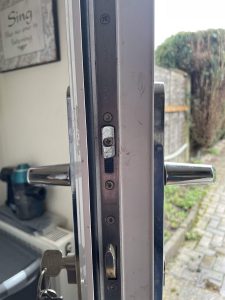
An easy check you can do yourself is to look at your cylinder from the outside. If the barrel sticks out more than a few millimetres past the handle or escutcheon, that overhang gives someone something to grip, and that makes snapping easier. A well-fitted anti-snap cylinder should sit almost flush. If yours pokes out, that is a sign it is worth a look.
I am not going to tell you the sky is falling. Plenty of homes go for years without any bother. But a decent cylinder is inexpensive peace of mind, and I would rather you spent a little now than had a nasty surprise later. If you are unsure what you have got, I am happy to take a look and tell you honestly whether it needs doing.
How I handle it when you call
When someone rings me about this, I come out, check the doors, and measure the cylinders properly. Getting the size right matters, because a cylinder that is too long brings back that overhang problem. I carry good quality three-star cylinders in the van, so in most cases I can sort it there and then.
There is no call-out fee with me, and I am available 24 hours, so whether you have just been reading up on this over a cup of tea or you have had an actual break-in and need it fixed tonight, you can give me a ring. I have been doing this around Southampton and the Waterside for the best part of twenty years, and I will always give you the honest version rather than the sales pitch.
How do you know if your cylinder is the right size?
Something the best guides cover that gets missed a lot is sizing. An anti-snap cylinder only does its job if it fits the door properly. If the barrel sticks out too far past the handle, you have handed a burglar something to grip and lever on, and even a good cylinder is left vulnerable. The rule of thumb is that it should sit as flush as possible, with no more than about 3mm proud of the handle. Cylinders come in all sorts of lengths measured from the central screw hole to each end, so getting the right one matters. If in doubt, measure both sides from the screw or let me sort it for you.
According to what I have seen fitting locks around Southampton and the Waterside for years, a cylinder left sticking out too far past the handle is the single most common reason a door gets snapped.
Does it matter how far the cylinder sticks out past the handle?
Here is something most folk miss, and it is one of the first things I check on a job. A euro cylinder that sticks out past the handle gives a burglar something to grip and lever against, which makes snapping far easier. Ideally the cylinder should sit flush, with no more than a few millimetres showing. That is why fitting the correct size matters as much as the star rating. A cylinder measured wrong and left overhanging can undo the good work of a decent lock. When I fit yours, I measure it properly so it sits snug and there is nothing spare for anyone to grab. No call-out fee, and I am about 24 hours.
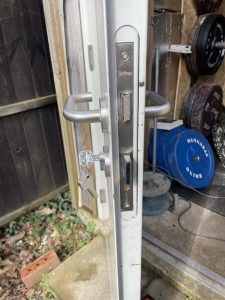
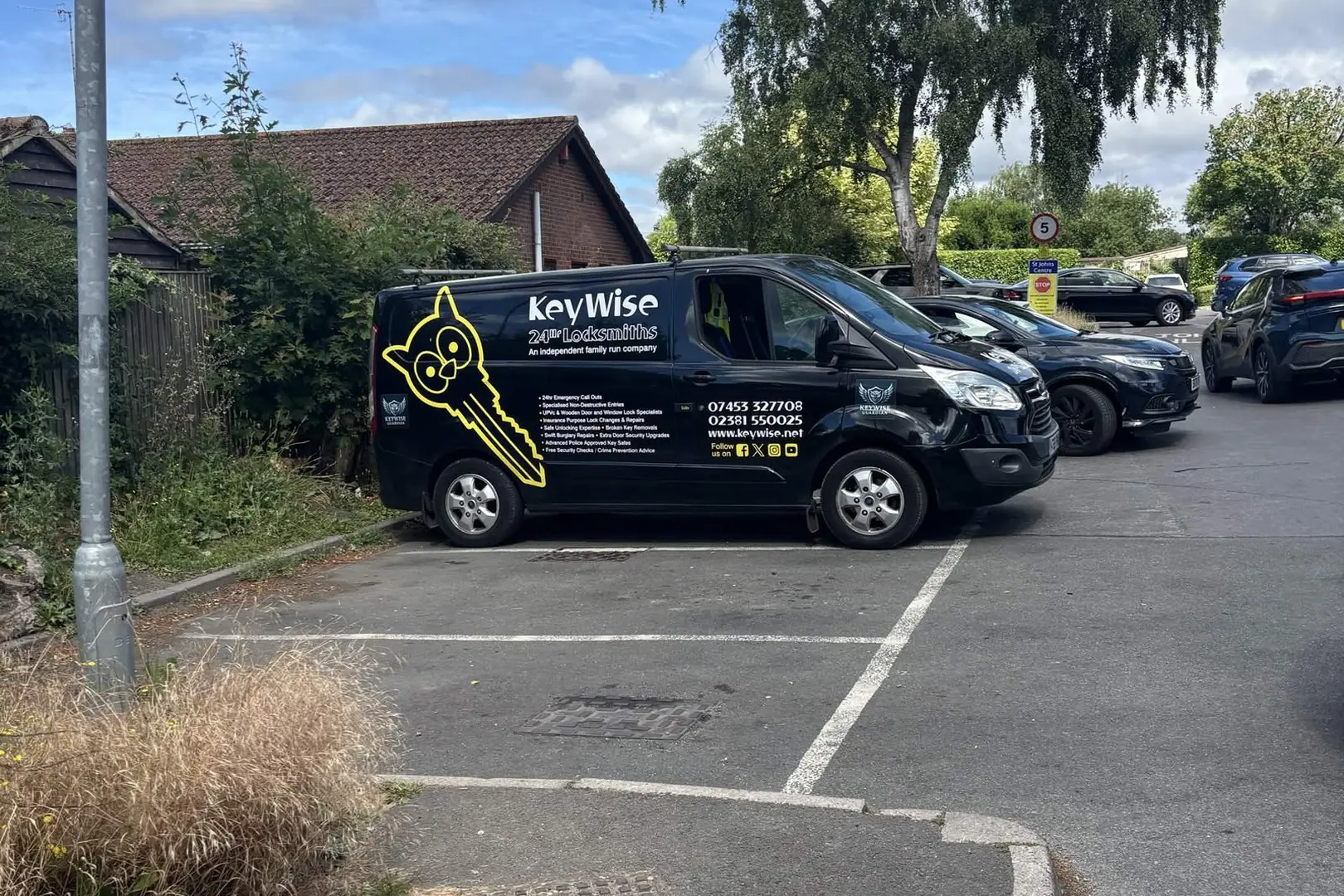
From the van: a snapped key job where the old standard cylinder came out for good.
Frequently asked questions
What is lock snapping and why does it happen so quickly?
Lock snapping targets the euro cylinder in uPVC and composite doors. Cheap cylinders have a weak point across the middle. Grip the part sticking out past the handle, apply force, and it snaps in seconds. No tools, no picking, and it is quiet, which is why it worries people so much.
How does an anti-snap cylinder stop the attack?
A three-star anti-snap cylinder has sacrificial sections at the ends that break away under force, while the central part stays put and keeps the door locked. The intruder ends up with a broken bit in their hand and a door that is still firmly shut. Clever engineering, simple result.
Does every door in my home need one?
Not every one. The front door matters most, plus any euro cylinder door facing the street or a shared path. Back doors and side gates are worth considering too. Check if your barrel sticks out past the handle. If it does, that overhang makes snapping easier and is worth a look.
What happens when I call Keywise about this?
Bugsy comes out, checks your doors, and measures the cylinders properly so the fit is right. He carries good quality three-star cylinders in the van, so it is usually sorted there and then. There is no call-out fee and he is available 24 hours across Southampton and the Waterside.