The short answer
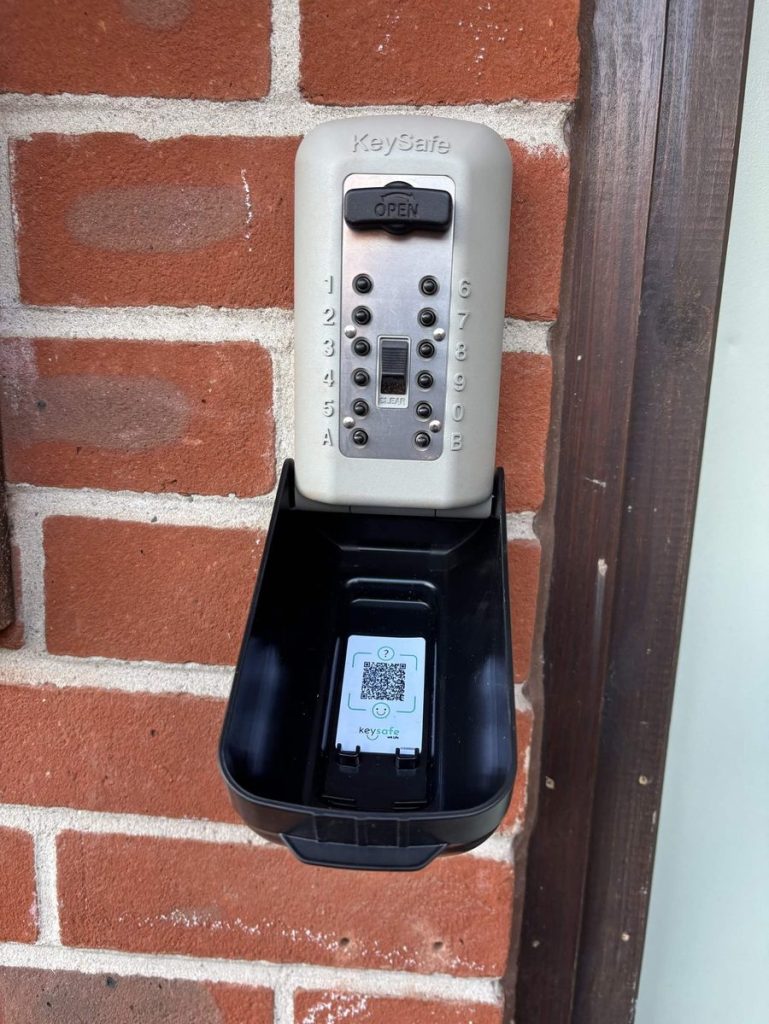
A key safe is a wall-mounted metal box holding a spare key behind a combination code. Carers, family and district nurses can let themselves in without waiting at the door. It saves your relative struggling to answer, keeps keys secure, and means help can always get in during an emergency.
- Standard
- Police Preferred Specification, LPCB certified to LPS 1175
- Price
- Police Preferred key safe, £150 supplied and fitted
- Best for
- Carers, family and district nurses letting themselves in
If you look after an elderly parent, you will know the small worries that sit at the back of your mind all day. Has Mum managed to get to the door? What happens if Dad has a fall and can’t reach the latch? What about the carer who visits at eight in the morning, or the district nurse who calls in twice a week? Getting people safely in and out of the house is one of those things that sounds simple until you actually have to sort it out.

I’m Bugsy, and I’ve been fitting locks and helping families around Southampton and the Waterside for years now. Over that time I’ve fitted a lot of key safes for people caring for elderly relatives, and I’ve seen first hand the difference a good one makes. In this post I want to walk you through what a key safe actually does, how to choose one that’s worth having, and what fitting and using one really involves.
Why a key safe makes sense for carers
A key safe is a small, tough metal box that fixes to an outside wall. You keep a spare key inside it, locked away behind a combination code. Anyone who needs access, a carer, a family member, a neighbour who checks in, can be given the code and let themselves in without you having to hand out cut keys all over town.
For carers this solves a very real problem. Care agencies often insist on one before they’ll start a package, and for good reason. It means the morning visit isn’t spent knocking and waiting while your relative struggles to the door in the cold. It means the ambulance crew can get straight in if there’s an emergency, rather than having to force entry and leave the house exposed. And it means you can drive across from wherever you live, day or night, knowing you can always get in.

The other thing it does, quietly, is take pressure off your parent. No fumbling for keys, no worrying about locking themselves out, no anxiety when the doorbell goes. That bit of independence matters more than people realise.
Are all key safes safe enough?
This is the question I get asked most, and it’s the right one to ask. The honest answer is no, they are not all the same. You can buy a cheap key safe online for very little money, and some of them can be pulled off a wall or forced open in seconds. That’s no good to anyone.
What you want is a Police Preferred safe. The marks to look for are Police Preferred Specification (through Secured by Design) and LPCB certification to LPS 1175, which means the safe held up under a timed attack test. These have been tested against attack, drilling, prising, pulling, and they’ve passed. Insurers tend to prefer them too, and some will actually ask what type you’ve fitted if there’s ever a claim. So it’s worth spending a bit more to get one that genuinely does its job.
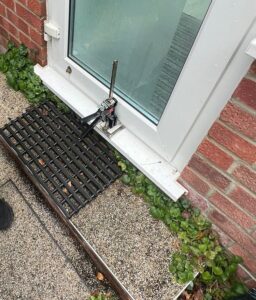
The location matters just as much as the safe itself. I always fit them where they’re solid and not on show, ideally on brick or concrete rather than soft render, and not right beside the front door where a passer-by can watch the code being entered. A good fitting into the right wall is half the battle. If you’d like to read a bit more about how I approach this, I’ve put together a page on key safe installation in Southampton that goes into the detail.
What happened with the Romsey key safe?
I’ll tell you about a job in Romsey, because it’s the whole argument in one call-out.
An Airbnb. The owner had a key safe on the wall so guests could let themselves in, the sort you pick up for a few quid. Somebody had a go at it, got the key out, walked in and helped themselves to the guests’ belongings. No broken glass, no forced door. Just a cheap box that gave up its key to the first person who leaned on it.
By the time I got there the damage was done, so the job was making sure it couldn’t happen twice. I took the old unit off the wall, binned it, and fitted a properly certified key safe in a spot you can’t see from the road, bolted into solid brick. The owner told me afterwards she could sleep again, which is the bit that stays with you.
Here’s what I’d want you to take from it. A key safe is only as good as its rating and its position. The cheap one wasn’t protecting anything, it was advertising where the key was. The one I fit now carries Police Preferred Specification and is certified by the LPCB to LPS 1175, which means it was attacked under test and held. If you’ve already got a key safe up and you’re not sure what it is, WhatsApp me a photo of it and I’ll tell you straight whether it’s worth keeping.
Fitting and using one day to day
Fitting is usually a quick job. I’ll come out, look at the walls, and talk through the best spot with you and your parent. Then it’s a case of drilling and bolting the safe firmly into place with the right fixings for that wall type. Most jobs take well under an hour, and I’ll leave it working properly with the code set to whatever you choose.
Choosing the code is worth a moment’s thought. Avoid the obvious things like the house number or a birthday, as those are the first things anyone would try. Pick something the family can remember but a stranger couldn’t guess. You can change the code yourself later if a carer leaves the agency or you simply want a fresh start, and I’ll show you how before I go.
Day to day it couldn’t be simpler. The key lives inside, the box stays locked, and only the people with the code can open it. I’d suggest checking now and then that the key is still in there and the mechanism turns smoothly, especially through winter when things can stiffen up. Give the buttons a wipe if they get sticky. That’s really all the maintenance it needs.
If you’re weighing this up for a parent, my advice is not to leave it until there’s a crisis. It’s a small, sensible thing that takes one worry off your plate. I cover Southampton and the whole SO45 Waterside area, there’s no call-out fee, and I’m available 24 hours if you ever need me. Give me a ring and I’ll happily talk it through, no pressure either way.
Will a key safe affect your parent’s home insurance?
This is one people rarely think about, and it catches families out. Some insurers are happy with any key safe, some want to know you’ve fitted one, and a few only accept units carrying a recognised certification. The worry is this: if a burglar levers a weak safe off the wall and walks in with the key, there’s no forced entry, and an insurer can question the claim on that basis.
So I always tell people the same thing. Ring the insurer, tell them you’re fitting a key safe, say what it’s certified to, and ask them to note it on the policy or confirm it in writing. It takes ten minutes and saves a nasty shock later. I hand over the certification details with every install so you’ve got them to send. And never hide a spare under the mat instead, because that’s exactly what the policy small print is written for. If you’re unsure which rating to look for, give me a shout.
If you’d like one fitted for a parent, here’s the key safe I fit and what it costs.
Frequently asked questions
Do I really need a Police Preferred key safe?
Yes, I’d strongly recommend it. Cheap ones can be pulled off a wall or forced in seconds. Look for the Police Preferred Specification mark and LPCB LPS 1175 certification, as these are tested against attack. Insurers prefer them too, and some may ask which type you fitted after a claim.
Where should the key safe be fitted?
Location matters as much as the safe itself. I fit them into solid brick or concrete rather than soft render, and away from the front door so nobody can watch the code being entered. A good fitting into the right wall is half the battle, and I’ll talk through the best spot with you.
How long does fitting take and is there a call-out fee?
Fitting is usually well under an hour. I’ll look at the walls, agree the best spot, then drill and bolt the safe firmly with the right fixings. There’s no call-out fee, I cover Southampton and the SO45 Waterside area, and I’m available 24 hours if you need me.
Can I change the code later myself?
Yes, you can change it whenever you like, perhaps if a carer leaves the agency or you fancy a fresh start. I’ll show you how before I go. Avoid obvious codes like the house number or a birthday, and pick something the family remembers but a stranger couldn’t guess.