A burglar’s job is a simple one when you boil it down. Find the easiest house on the street and get inside fast. They are not after Fort Knox. They are after the house where someone left the back door on the latch, or the kitchen window cracked open for a bit of air, or the spare key tucked under a flowerpot where half the street has watched it go.
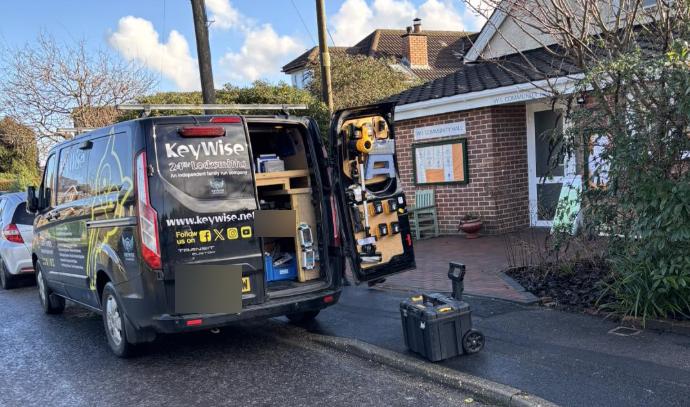
I run a family locksmith business covering Southampton and the Waterside, and I get out to Hythe, Totton, Marchwood and all the villages in between. After enough years of this you start to see the patterns. The same handful of mistakes crop up again and again, on nice streets and rough ones alike. The good news is that none of them are hard to fix. Sort them out and you have already put yourself ahead of most of your neighbours.
The habits that invite trouble
Leaving doors and windows unlocked is the obvious one, but it is also far and away the most common. A surprising number of break-ins are not really break-ins at all. Someone tried the handle, found it gave, and walked straight in. No force, no fuss, no noise. Windows are the same story. An open sash, or a catch that does not quite click home, looks like an open invitation to anyone having a wander down the street. People assume a sticky window is a secure window. It is not. Sticky just means stiff, and stiff still opens.
Keys hidden outside are the next one I bang on about. Under the mat, on the door frame, in a plant pot, inside one of those fake rocks that look about as natural as a plastic flamingo. Burglars know every single one of these spots. They have seen them a hundred times over. If you are hiding a spare key outside, you are not keeping out someone who wants in. You are just saving them the bother of forcing the door. There is no clever hiding place. There are only places that have already been checked.
Poor lighting is another gift you can hand over without meaning to. An unlit driveway or a dark passage down the side of the house gives someone room to work unseen, and being unseen is the whole game for them. Light the front and back properly and you take that away. A well-lit house says, plainly, that this one is more trouble than it is worth.
Then there is the signal that nobody is home. Curtains shut in the middle of the day, post wedged in the letterbox, no car on the drive, no lights on as the sun goes down. A house that looks empty looks like a target. A house that looks lived in, even one that is only pretending, is more work and more risk, and risk is what sends them off down the road to the next one.
I also see plenty of folk advertising their absence online without realising it. Holiday snaps posted as they happen, check-ins at the airport, a status update saying the place is empty for the fortnight. That is information handed straight to anyone who fancies a look.
What actually works
The point of home security is not to be unbreakable. It is to be more bother than the house next door. Burglars want speed and low risk, and they will move along the moment yours takes too long or draws too much attention.
Decent locks that actually work, solid bolts, a bit of light at the right spots, and the basic habit of locking up every time. That is the foundation. It is not glamorous and it is not complicated. It is just the basics, done properly and done consistently.
If you are not sure what your house is quietly telling a passing burglar, a home security assessment is well worth the time. I can spot the gaps you have stopped noticing and the habits worth changing. No drama, no hard sell, just a straight look at where you stand.

Most break-ins are preventable. The difference between a house that gets targeted and one that gets left alone is very often nothing more than the basics done right.
More from Keywise: free home security check and police-approved key safes.

Frequently asked questions
What is the single best thing I can do to stop a break-in?
Lock your doors and windows, properly, every time you go out and every night before bed. It sounds obvious because it is, but it remains the most ignored bit of advice going. Most burglars will try the handle, and if it holds firm they will move on rather than make a racket. It takes seconds and it works.
Are expensive security systems really necessary?
No. A good lock, working bolts and a house that is visible and lit will see off most opportunist burglars on their own. Alarms and cameras are a useful bonus, but they are not the foundation. The basics are. Get those right first and worry about the gadgets afterwards.
How do I hide a spare key safely?
Do not hide it outside at all. Give one to a trusted neighbour or a friend who lives close by. If you really must keep one at the house, fit a proper key safe bolted to the wall. It is not invisible, but a burglar knows full well they cannot pop it open in a hurry, and that is what matters.
Should I leave lights on when I am away?
Yes, or better still use timer switches so they come on at dusk and off later. A house left dark for days running is an obvious target. Lights that switch on in the evening make it look occupied. Do the same with curtains and blinds, and ask someone to clear the post. Keep everything looking normal and ordinary.