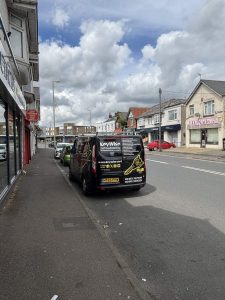
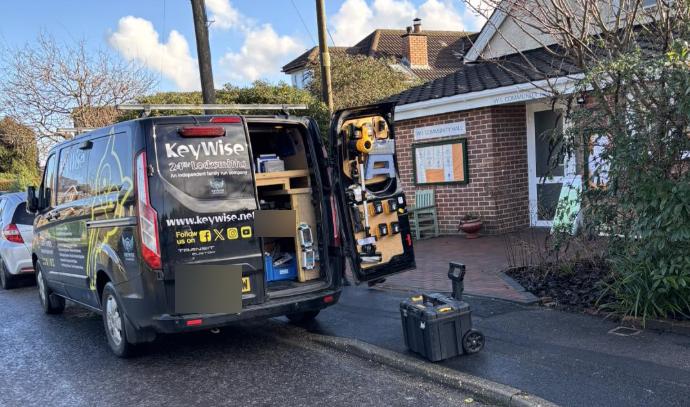
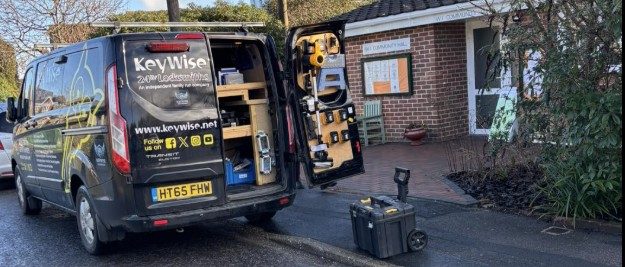
After enough years turning out across Southampton and the Waterside, you start to see the same handful of problems again and again. Different doors, different streets, same root causes. I don’t mind a bit, fixing them is the job, but I reckon if I tell you what actually goes wrong and why, you might catch a few of these before they leave you stood on the doorstep at midnight. So here are the five reasons we’re most often heading your way, and what you can do about each one.
1. The mechanism has given up
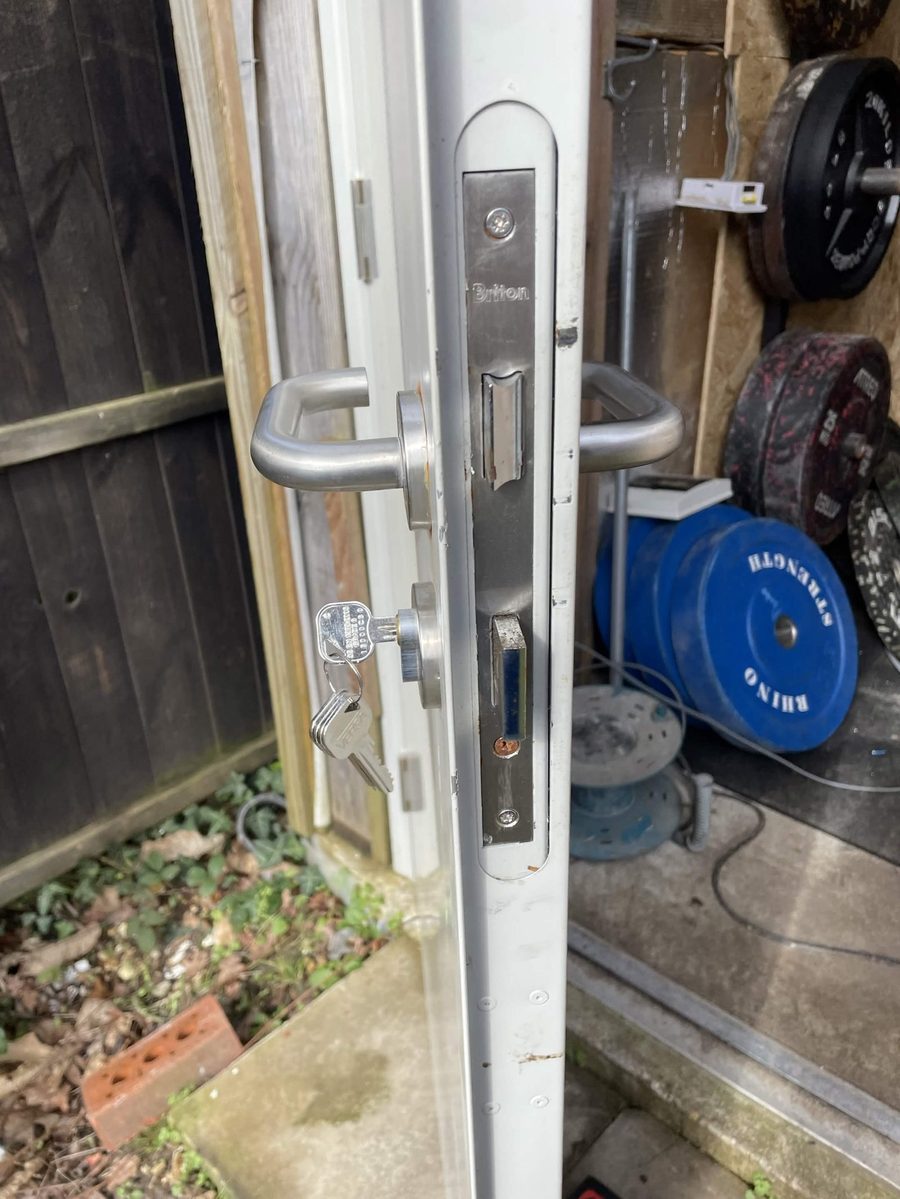
This is the big one. Not the lock you can see, but the mechanism behind it, the bit doing the actual work every time you turn the key. They don’t usually fail all at once. It starts as a key that turns a little rougher than it used to. Then you’re lifting the handle a bit harder, jiggling it to get the bolt to throw. Most people ignore that stage for months. Then one cold morning it just stops, and that’s when the phone rings.
Here’s the part people don’t expect: a failed mechanism often doesn’t mean a whole new lock. A lot of the time it’s worn, dry, or knocked slightly out of true, and it can be cleaned, adjusted and brought back to life. Other times the gearbox inside a uPVC door has actually broken and needs swapping. But even then it’s the mechanism, not the entire door. We assess it on the spot and tell you straight which it is, with the price before we start. If it’s a uPVC or composite door playing up, that’s our uPVC door and multipoint lock repair work; for timber and standard doors it’s covered under door mechanism repair.
Catch it early: if the key or handle feels stiff, don’t force it. Forcing a tired mechanism is what finally snaps it. A puff of proper graphite or PTFE lock lubricant gets you a long way. Whatever you do, keep the WD-40 in the shed. It’s oil-based, it grabs every bit of dust going, and within a few months it gums the lock up worse than before.
2. A snapped key, half in, half out
Keys snap because metal gets tired. Every turn flexes it a fraction, and after years, especially on a stiff lock you’ve been wrestling, it gives way at the thinnest point, usually right where the blade meets the head. And it always breaks at the worst moment, with half of it still sitting inside the barrel.
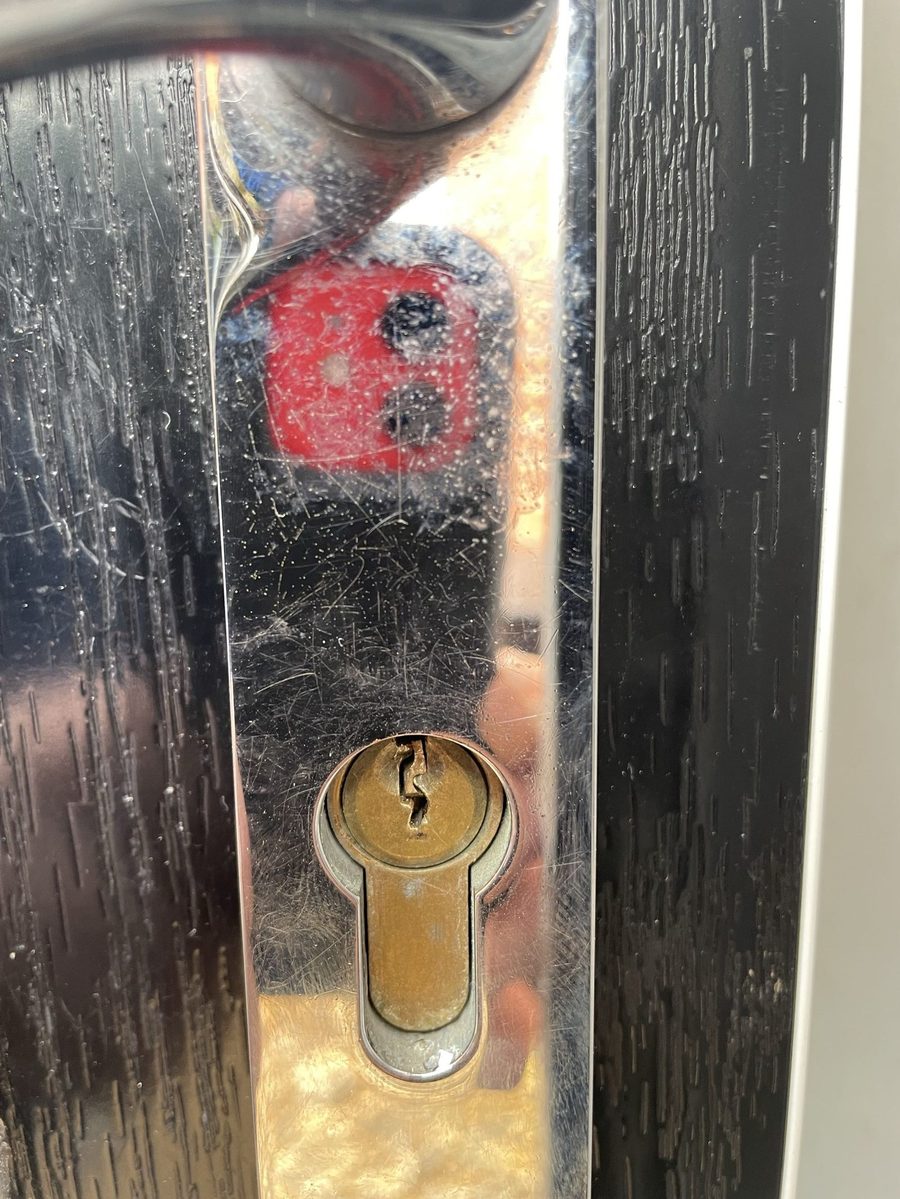
Whatever you do, leave it alone. The instinct is to go at it with tweezers or a pair of pliers, and I understand it, but nine times out of ten that just pushes the broken bit deeper and chews up the lock so a simple extraction turns into a replacement. We carry proper key-extraction tools and get the fragment out without damaging the mechanism. That’s exactly what broken key removal is for, and we can cut you a fresh key on the spot once it’s out.
One thing worth knowing: a snapped key is often a symptom, not the whole story. If the key broke because the lock was stiff, the lock’s still stiff once the key’s out, so we’ll always check why it happened rather than just hand you a new key and drive off. Sorting the cause is what stops you ringing us again in a fortnight.
3. A dropped door that has thrown everything out
This one’s sneaky because the lock itself is usually fine. What’s happened is the door has dropped on its hinges, even by a couple of millimetres, and now the bolt no longer lines up with the keep in the frame. The key turns but the bolt’s fighting the frame, or the door won’t latch unless you lift it by the handle as you close it. Sound familiar?
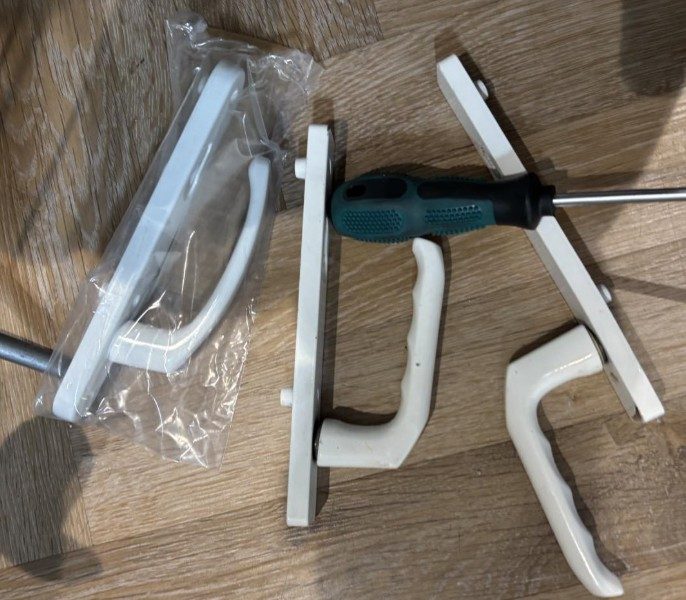
Doors drop for honest reasons: the weight of the door working on the hinges over years, a house settling, a knock, or a uPVC door that’s expanded in a run of hot weather. I was out at a place in Dibden Purlieu not long back where the back door had been a daily battle for months, the homeowner lifting and shoving every single time. Ten minutes of adjusting the hinges and easing the keep and it shut with a fingertip. They couldn’t believe they’d put up with it so long.
It’s straightforward work, but it wants the right eye and the right tools. Over-adjust a hinge and you trade one problem for another. If it’s a uPVC or composite door that’s dropped, again that falls under our uPVC door repair. The thing to remember is that a misaligned door puts strain on the mechanism every time you lock it, which is how a dropped door eventually turns into reason number one.
4. A slipped cylinder
The cylinder is the part the key actually goes into, the barrel that turns. It’s held in place by a single retaining screw running through the edge of the door. Over time, with the door slamming and the daily use, that screw can work loose. The cylinder shifts a few millimetres inside the door, and all of a sudden your key won’t go in properly, or it goes in but won’t turn. It genuinely feels like the lock’s broken overnight.
More often than not it hasn’t. It’s just slipped, and resetting and tightening it is a five-minute job. But here’s where it pays to have someone who looks past the obvious: a cylinder that’s worked loose is also the moment to ask whether your cylinder is up to scratch in the first place. A lot of older doors round here still have basic cylinders that snap under a burglar’s attack in seconds. If we’re in there anyway, it’s the sensible time to fit a proper anti-snap cylinder instead. Three-star rated, the kind that actually resists lock snapping rather than handing the door over. No pressure, but it’s daft to do the job twice.
5. Lost keys
Either you’re locked out right now, or the spare went missing months ago and you’ve finally decided to stop pretending it’ll turn up. Both need sorting, and both are routine for us. If you’re locked out, we use non-destructive entry wherever we can. That means opening the door without drilling or breaking it, so you’re not paying for a new lock on top of the call-out. If someone tells you they’ll “have to drill it” before they’ve even properly looked, that’s your cue to be wary.
Lost keys are also the moment to think a step ahead. If keys have gone missing and you don’t know exactly who had copies or which doors they fit, the safe move is to change or rekey the affected locks so the old keys are useless. And if the reason keys keep going walkabout is that there’s no good way to leave one for family, carers or the kids, a police-approved key safe fitted properly solves it for good, far safer than the plant pot or the brick everyone thinks no one knows about.
Catch it early and save yourself the 2am phone call
The thread running through all five is the same: the small signs come first, and they get ignored. A key that turns rough. A handle you have to lift. A door you shoulder shut. A cylinder that’s gone a bit wobbly. None of those are emergencies on the day you first notice them, but every one of them becomes a lockout eventually if it’s left. A bit of attention early saves you the cost, the cold doorstep, and the stress.
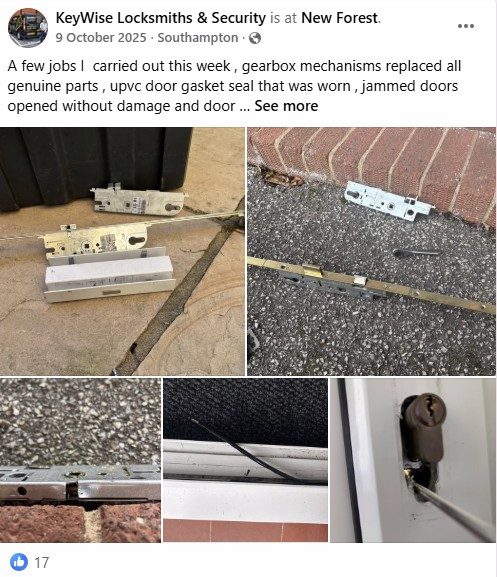
If you’re anywhere across Southampton or the Waterside, Hythe, Holbury, Fawley, Totton, Marchwood and the villages, and you’ve spotted any of these, don’t wait for the full breakdown. We’ll come and look, tell you honestly what needs doing and what doesn’t, and quote you up front with no call-out fee. If you’d rather get ahead of it entirely, we also do a free home security check, a proper once-over of your doors, locks and weak points before anything goes wrong.
Frequently asked questions
Can a stiff or failing lock be fixed, or does it need replacing?
Often it can be fixed. A lot of stiff locks just need cleaning, lubricating and adjusting back into line. We only replace the mechanism or cylinder when it’s genuinely worn out or broken, and we’ll always tell you which it is before we start, with the price up front.
What should I do if my key snaps off in the lock?
Leave it alone and don’t go at it with pliers, as that usually pushes the broken piece deeper and damages the lock. Give us a call. We carry proper extraction tools, get the fragment out without harming the mechanism, and can cut you a fresh key on the spot.
Why won’t my key turn even though nothing looks broken?
Two common culprits are a dropped door that’s thrown the bolt out of line with the frame, or a cylinder that’s worked loose and shifted inside the door. Both feel like the lock has failed overnight, and both are usually quick fixes once you know what you’re looking at.
Do you charge a call-out fee in Southampton and the Waterside?
No, never. There’s no call-out fee, day or night, and we quote you up front before any work starts. We cover Southampton, Hythe, Holbury, Fawley, Totton, Marchwood and the surrounding villages.
Be Wise, Call KeyWise,
Bugsy
Keywise 24hr Locksmiths, Southampton & the Waterside
Call 07453 327708, day or night.